
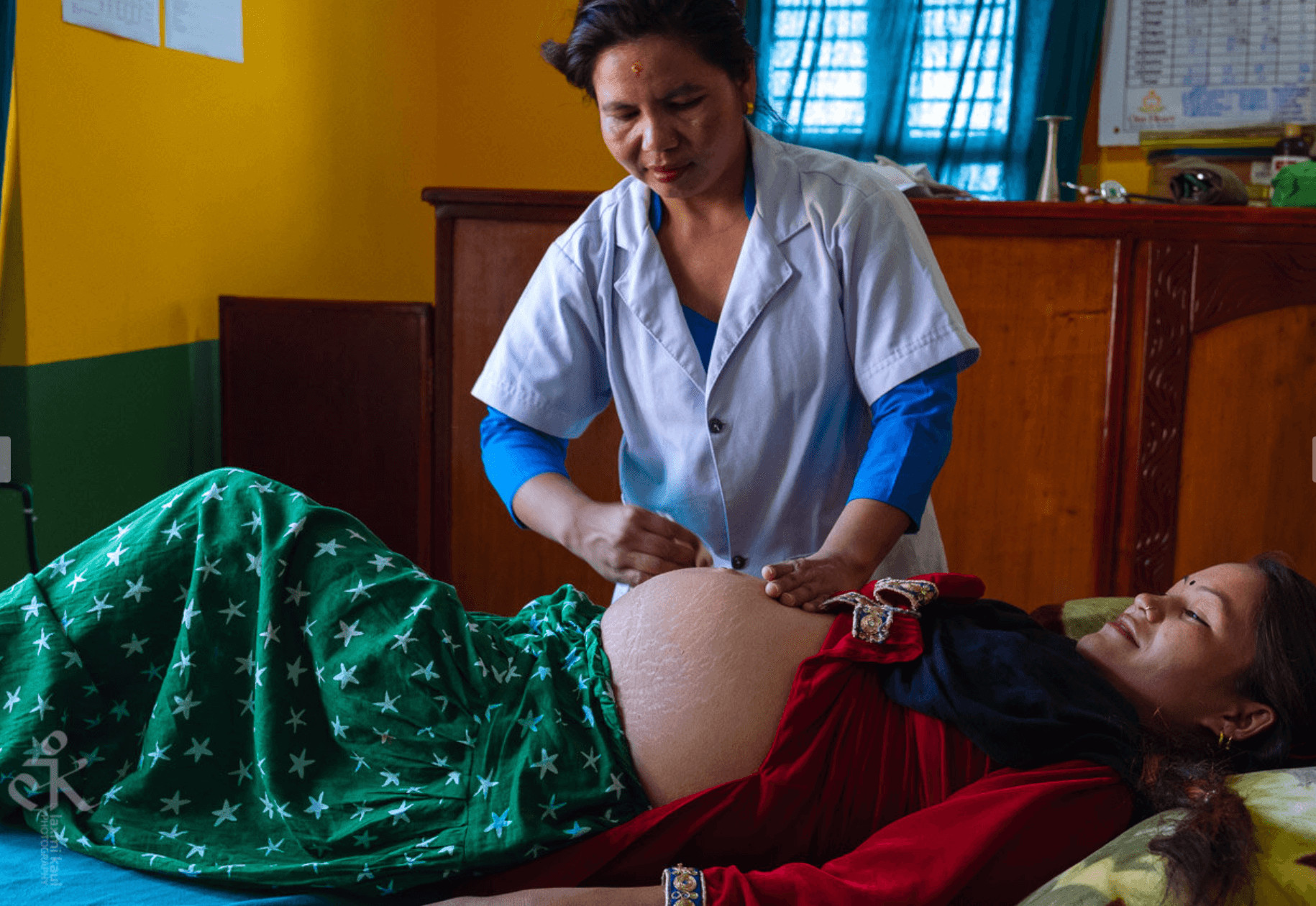
Maternal and Child Health in Nepal: Ensuring Safe Pregnancy and Healthy Futures
Maternal and child health remains a cornerstone of a strong and healthy society, and in Nepal, significant progress has been made over the past decades to improve healthcare services for mothers and children. However, challenges still exist, particularly in rural and remote areas where access to quality healthcare facilities can be limited. Hospitals across Nepal are playing a crucial role in ensuring safe pregnancies, reducing maternal and infant mortality rates, and promoting overall family health.
Pregnancy is a critical period that requires proper medical attention, regular checkups, and nutritional support. Antenatal care services provided by hospitals include routine health screenings, ultrasound examinations, monitoring of fetal development, and guidance on maintaining a healthy lifestyle. In cities like Kathmandu, expectant mothers have access to advanced maternity services, including high-risk pregnancy care, experienced gynecologists, and well-equipped labor and delivery units. These services help detect potential complications early and ensure timely intervention.
Child health services are equally important, focusing on immunizations, growth monitoring, and early diagnosis of diseases. Hospitals in Nepal follow national immunization programs and collaborate with organizations such as the United Nations Children's Fund to ensure children receive life-saving vaccines and proper nutrition. Pediatric departments are equipped to handle common childhood illnesses such as infections, malnutrition, and respiratory conditions, which are still prevalent in certain regions.
In addition to clinical care, hospitals are increasingly involved in community outreach programs aimed at educating families about maternal nutrition, breastfeeding practices, and hygiene. Awareness campaigns help reduce preventable health issues and empower women to seek timely medical assistance. The use of telemedicine services is also growing, allowing healthcare providers to reach patients in remote areas and offer consultations without the need for long-distance travel.
Despite the progress, there is still a need for continuous improvement in healthcare infrastructure, skilled workforce availability, and public awareness. By strengthening maternal and child health services, Nepal can ensure healthier generations and contribute to the overall development of the nation. Hospitals, healthcare professionals, and communities must work together to create a supportive environment where every mother and child has access to quality healthcare and a chance for a healthy future.
Popular Blogs

The Importance of Regular Health Checkups in Nepal: A Complete Guide …
May 3, 2026, 3:35 a.m.
Top 10 Common Health Problems in Nepal and How Hospitals Are Addressi…
May 3, 2026, 3:35 a.m.
Why Choosing the Right Hospital in Nepal Matters for Your Health and …
May 3, 2026, 3:35 a.m.